
Same Place, Different Faces.
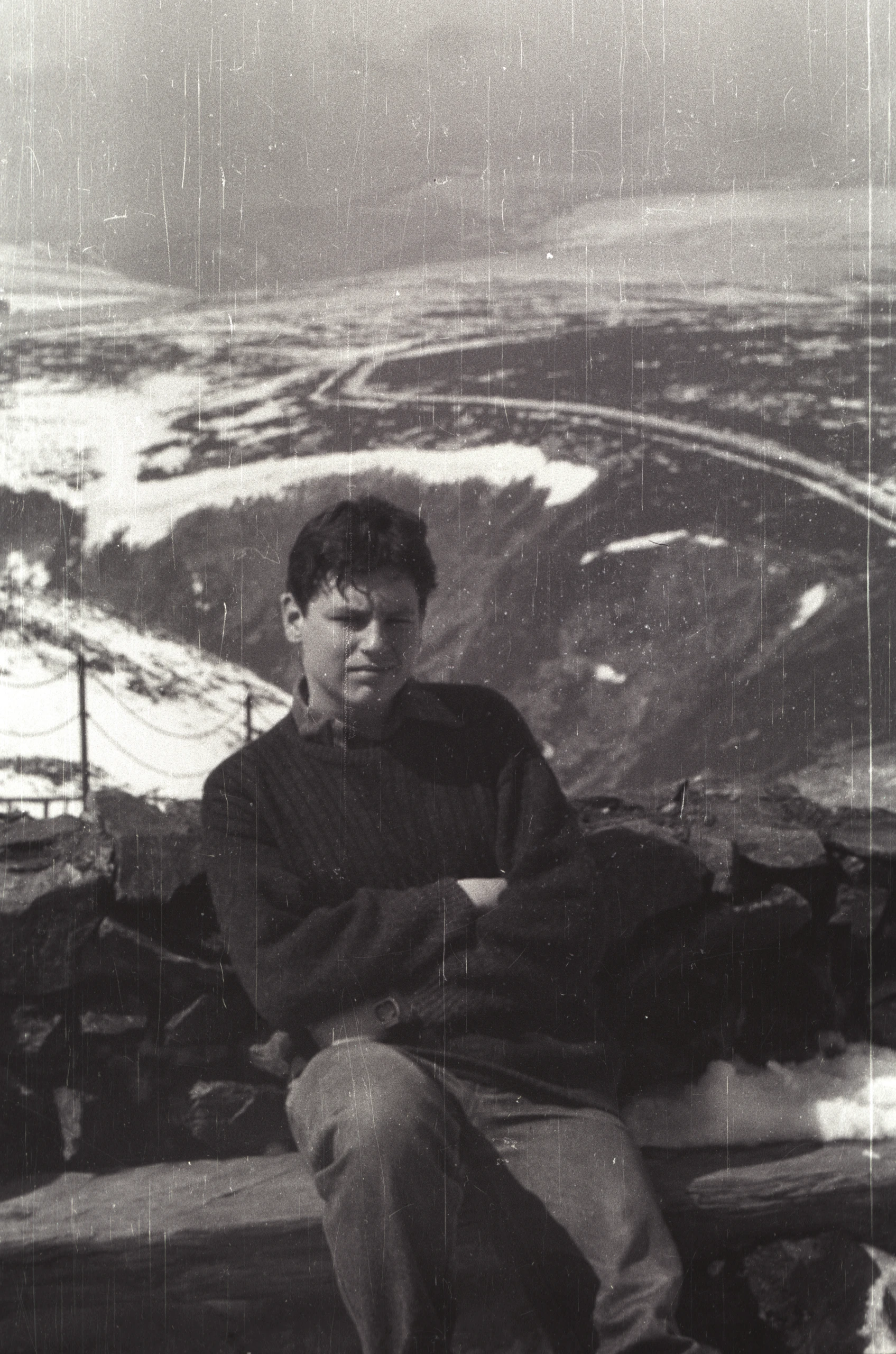
The first time I climbed Śnieżka was during the long May weekend of 1990. I was in my first year of high school, and we had travelled from Łódź to the Karkonosze Mountains on a school trip. Back then, it seemed terribly far away. Then again, in those days, almost any journey beyond the familiar had something of an expedition about it.
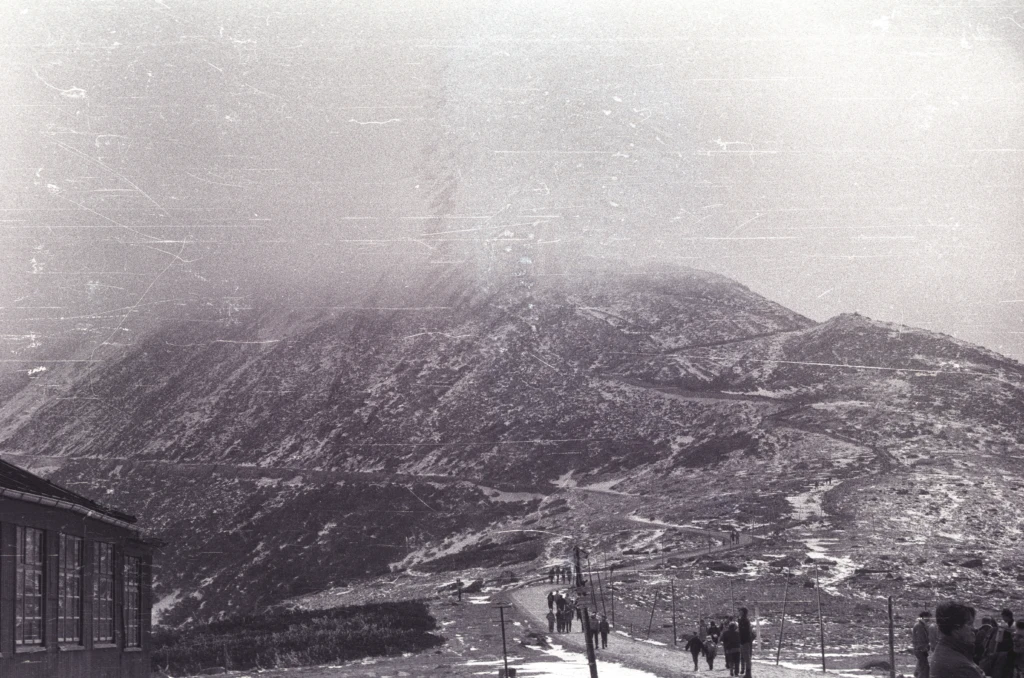
We stayed at “Strzecha Akademicka”, a mountain hut below the summit. Spring had already arrived in the valleys, but higher up, winter was clearly in no hurry to leave. As for us, like most Polish teenagers at the beginning of the 1990s, we were equipped with considerably more enthusiasm than suitable clothing. Trainers, sweaters, whatever jackets we happened to own. We knew nothing about technical fabrics, breathable layers, or the elaborate philosophy of modern mountain gear. And somehow, we kept walking.
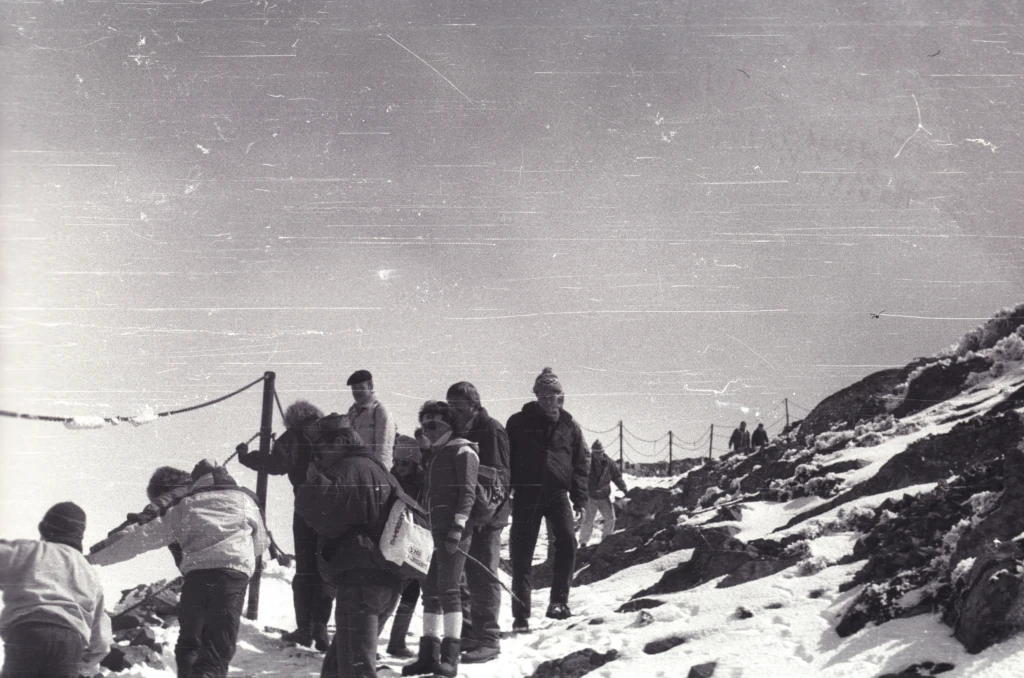
I remember that contrast vividly. The spring we had left somewhere below and the winter landscape we entered, entirely unprepared. What I don’t remember is whether it ever occurred to me that I would keep returning to this mountain for the next several decades.
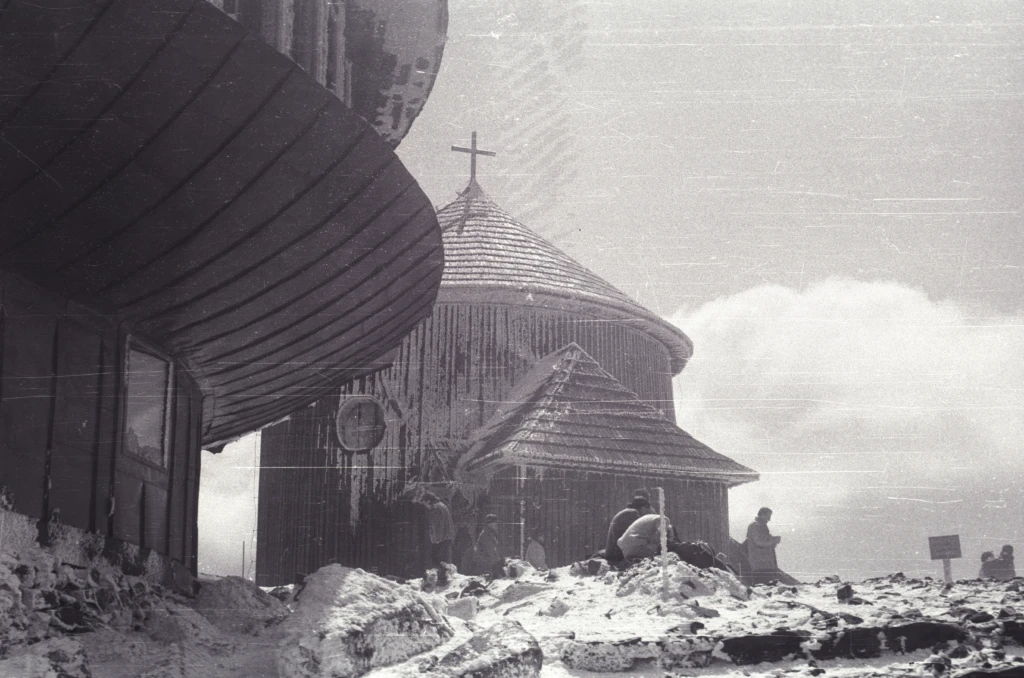
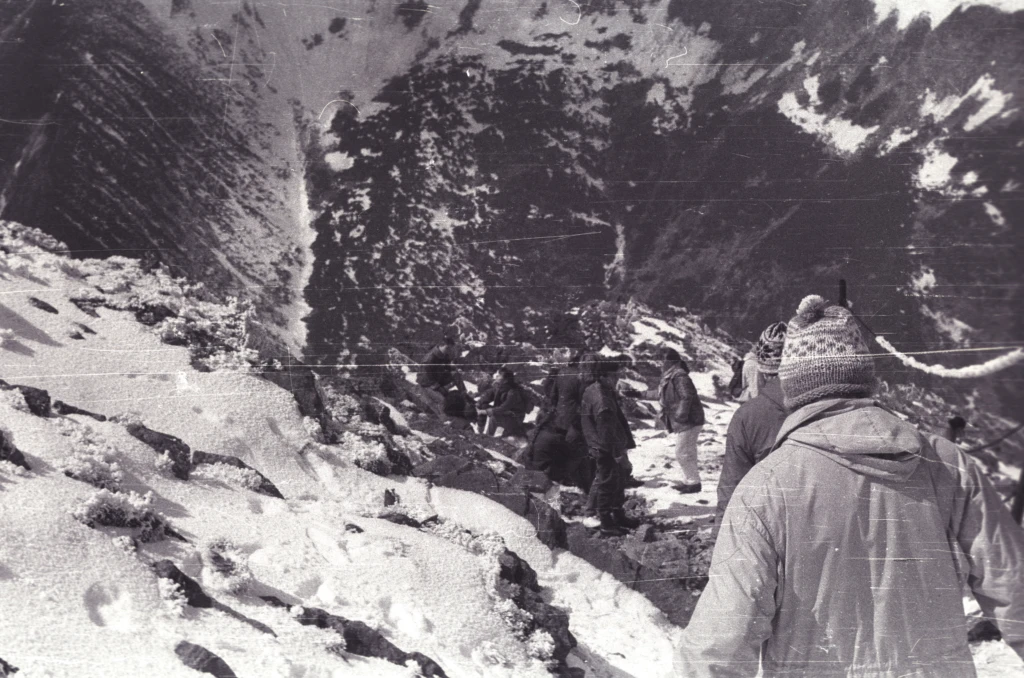
Śnieżka stood 1,603 metres above sea level back then. It still does, at least according to the most commonly quoted measurements. I have changed rather more in the meantime.
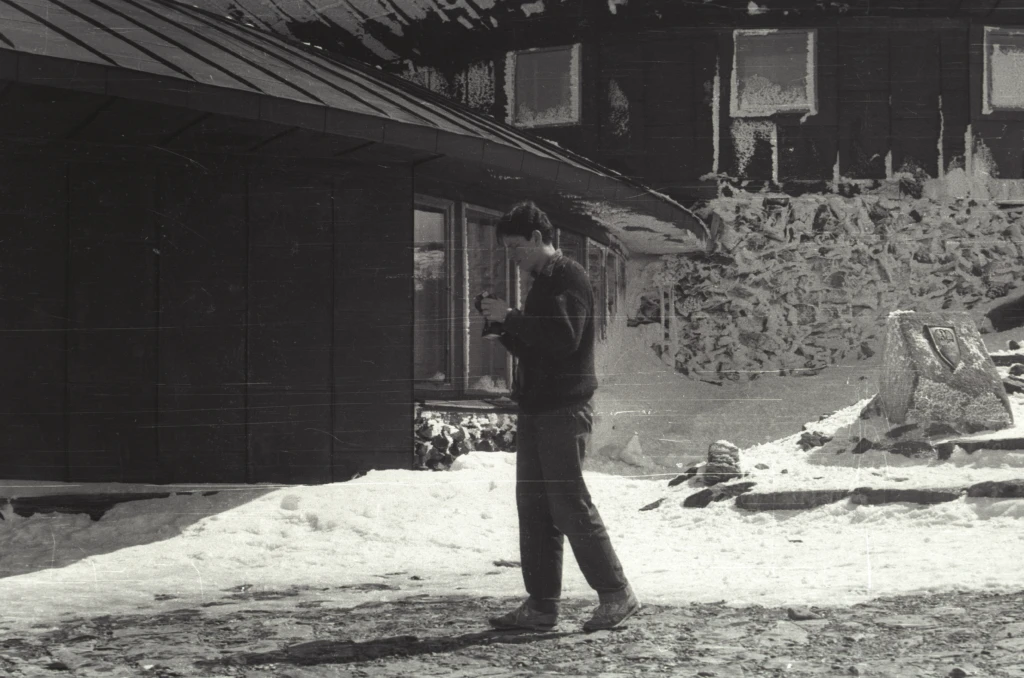
I returned a few more times during my high school years. Then came a long break. Life got busy with its own affairs, and Śnieżka, as one might reasonably expect, waited patiently. When I finally returned, years later, it was winter again. This time I went alone, in conditions that could hardly be described as welcoming. Wind, frost, snow, poor visibility. What remained was the mountain itself, harsh and entirely indifferent to my plans.
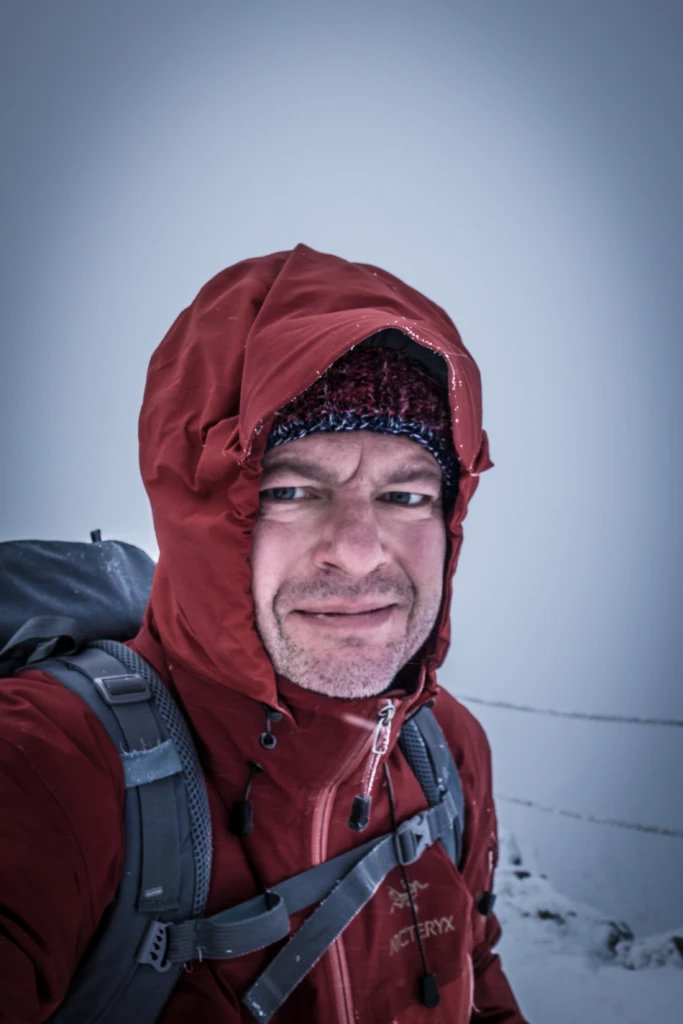
I remember that climb exceptionally well. Not because it was some extraordinary achievement. Simply because solitude in the mountains, especially in winter, has a peculiar way of putting your thoughts in order without ever being asked to. You have to pay attention to the path, the weather, your own footsteps. For a while, everything else stops being urgent.
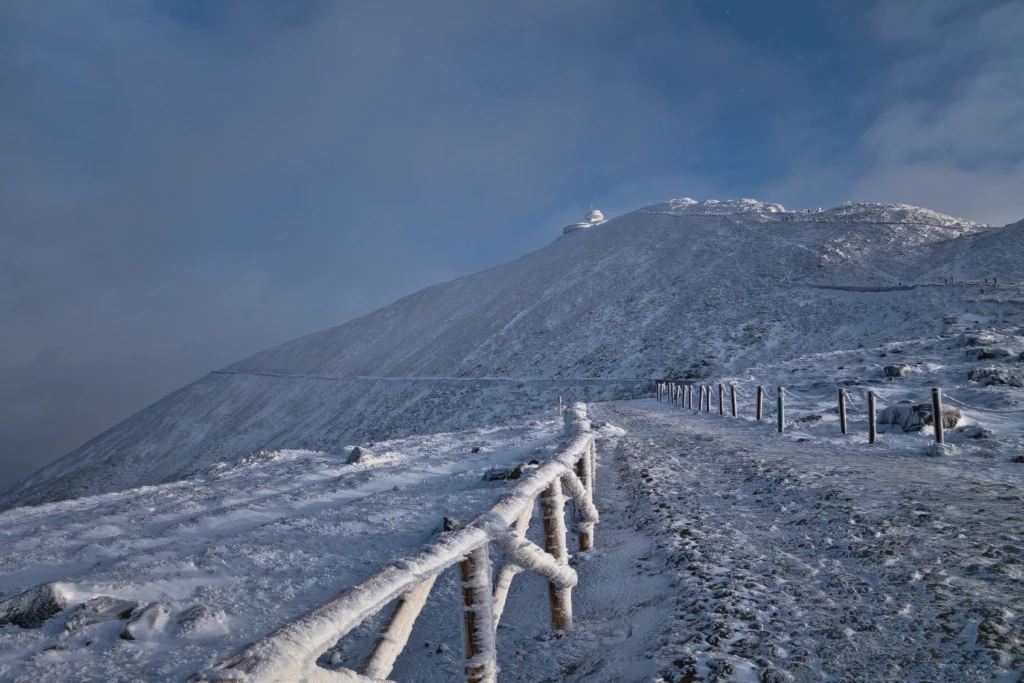
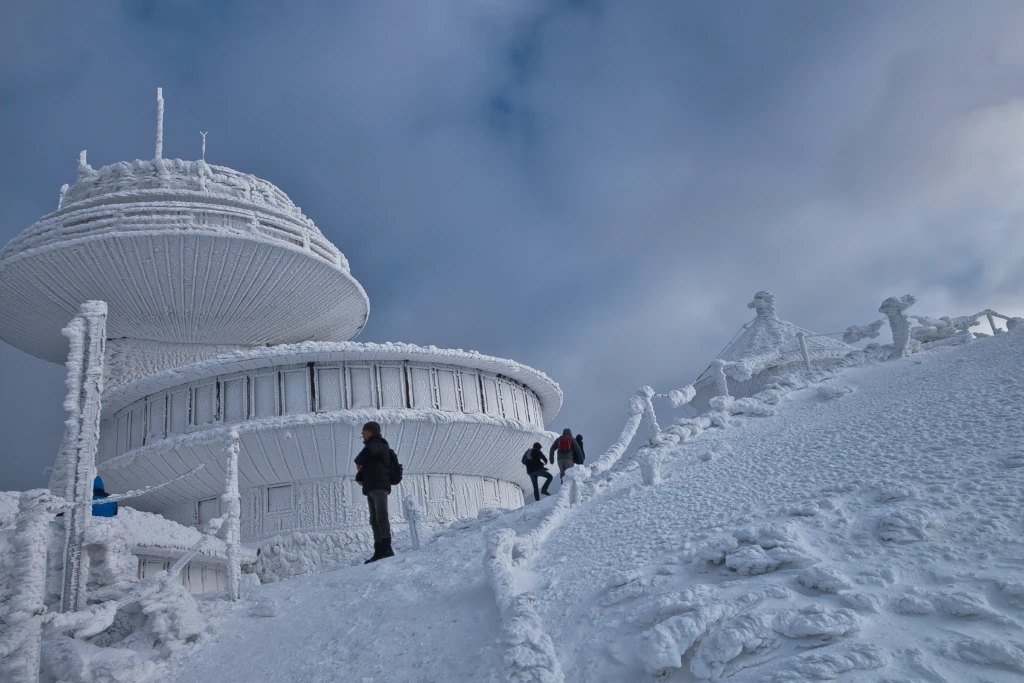
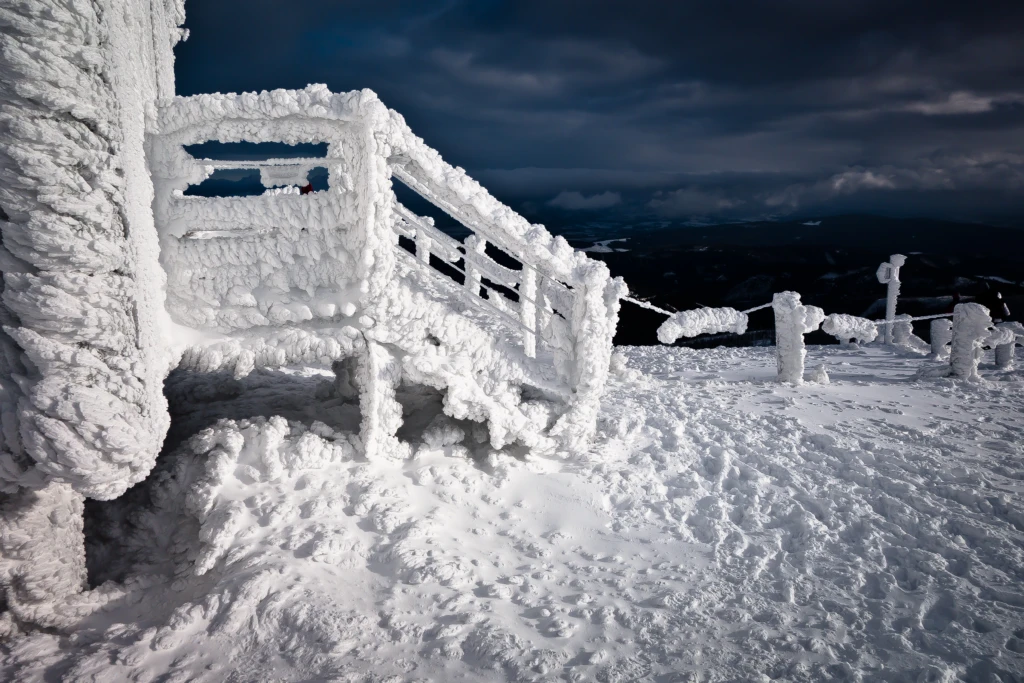
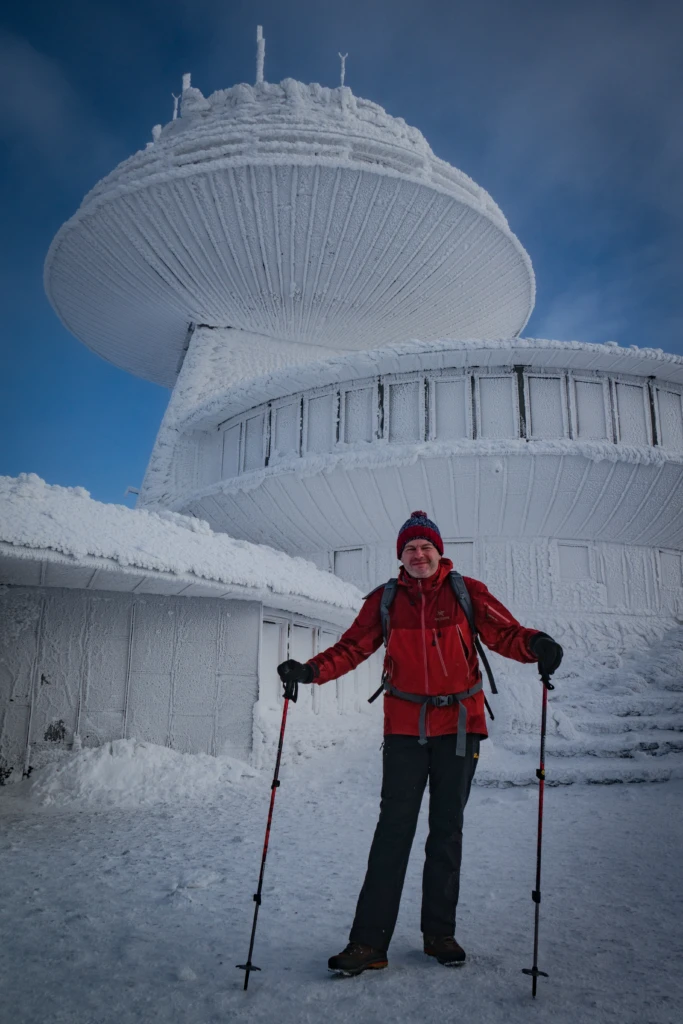
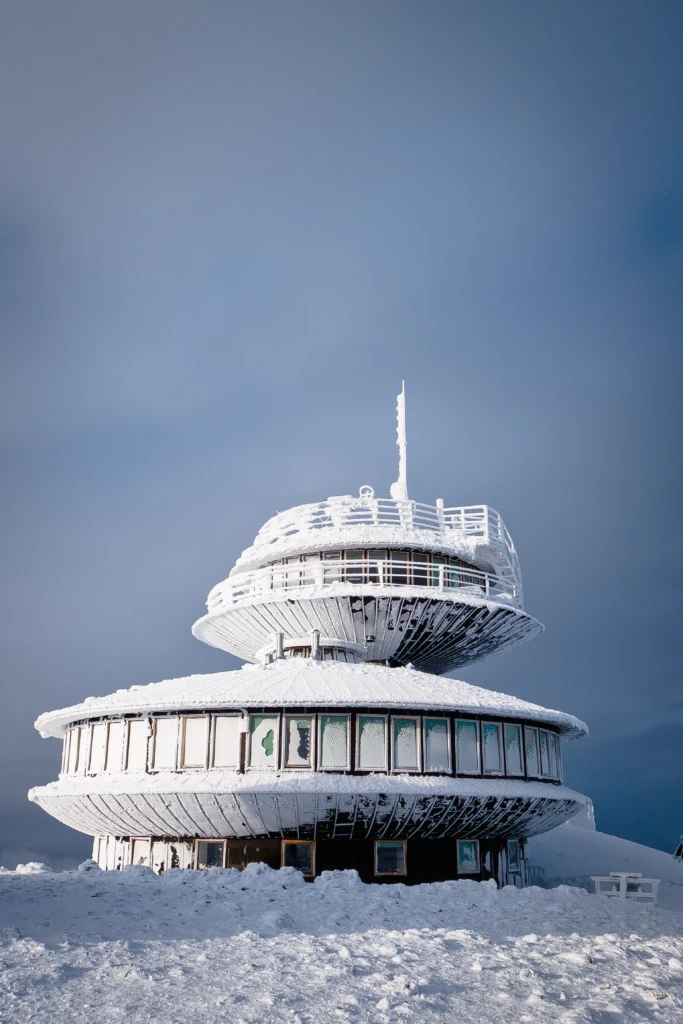
Later, I began returning regularly. Sometimes alone, sometimes with others. My son came along on a few occasions, back when he was still a little boy. Today, looking at those photographs, I see two parallel stories. One is about a mountain I have come to know increasingly well. The other is about a boy growing up while I was slowly moving beyond my own youth.
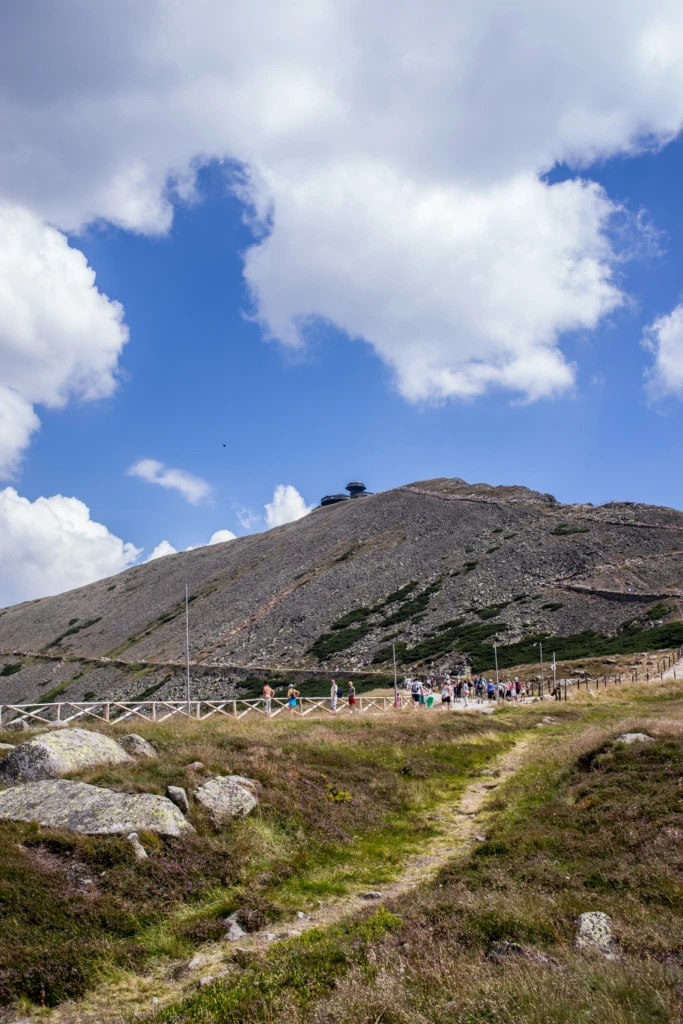
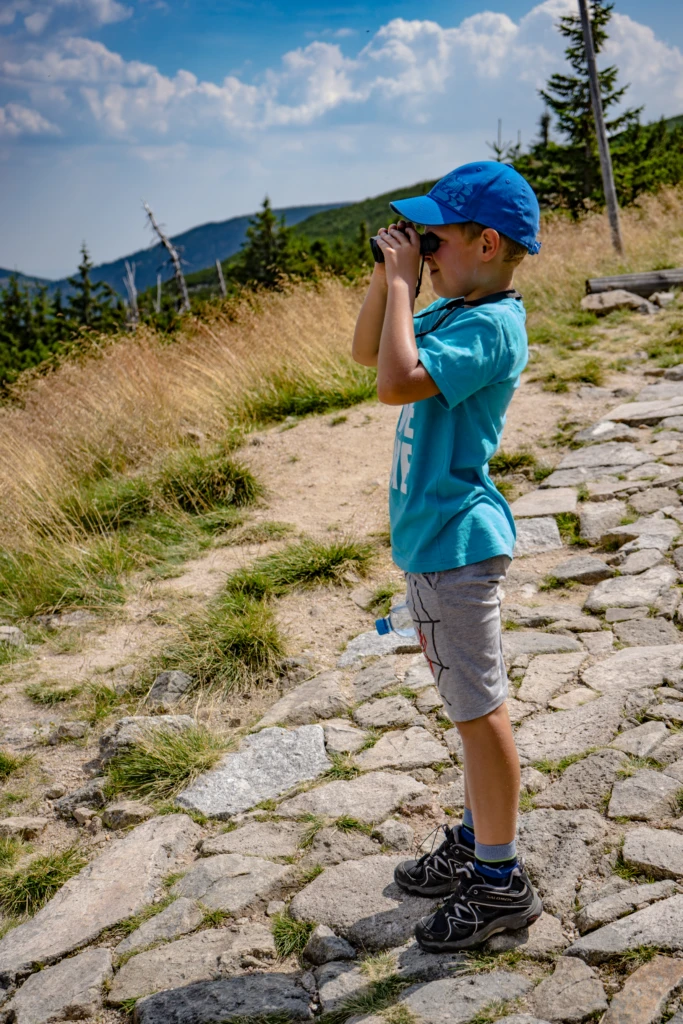
Then came the strange pandemic years, when attempts to climb Śnieżka took place in a world divided by regulations and borders. There were moments when the mountain was accessible to Czechs but off-limits to Poles. It is difficult to imagine a better example of humanity’s talent for complicating things that had managed perfectly well without us for millions of years.
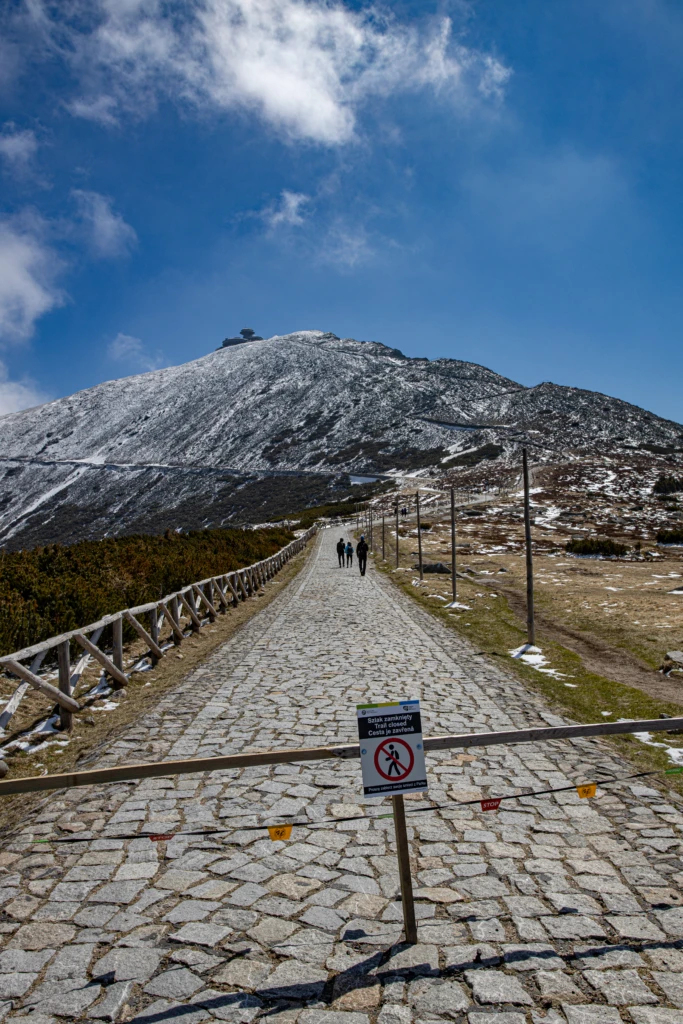
Śnieżka, of course, has witnessed far more serious upheavals than pandemic restrictions. The entire Karkonosze range is filled with traces of people who lived here before us, spoke different languages, gave places different names, built houses, mountain huts and roads. Then came wars, borders shifted, populations changed. Reading about this complicated history taught me to see the Karkonosze as something more than a beautiful landscape. Beneath the forests, rocks and hiking trails lies a world, much of which has disappeared.
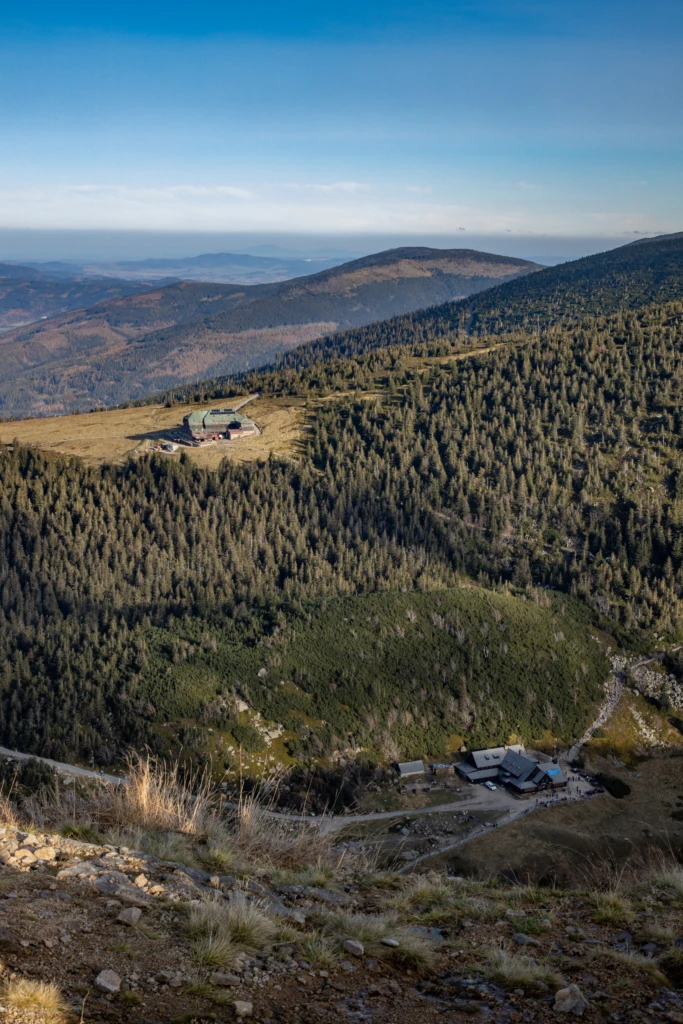
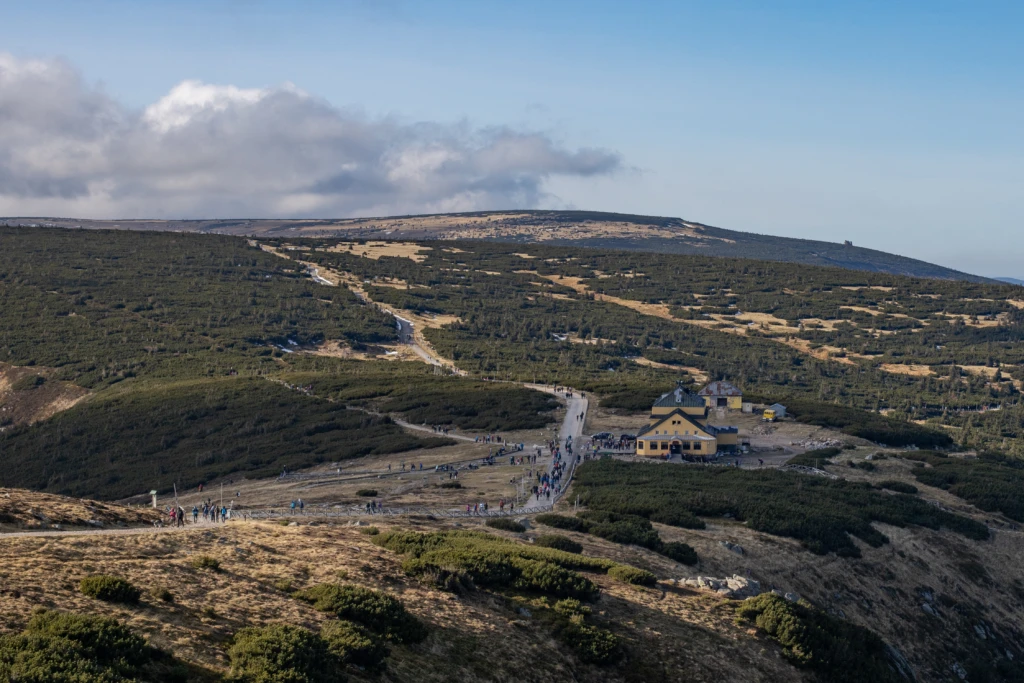
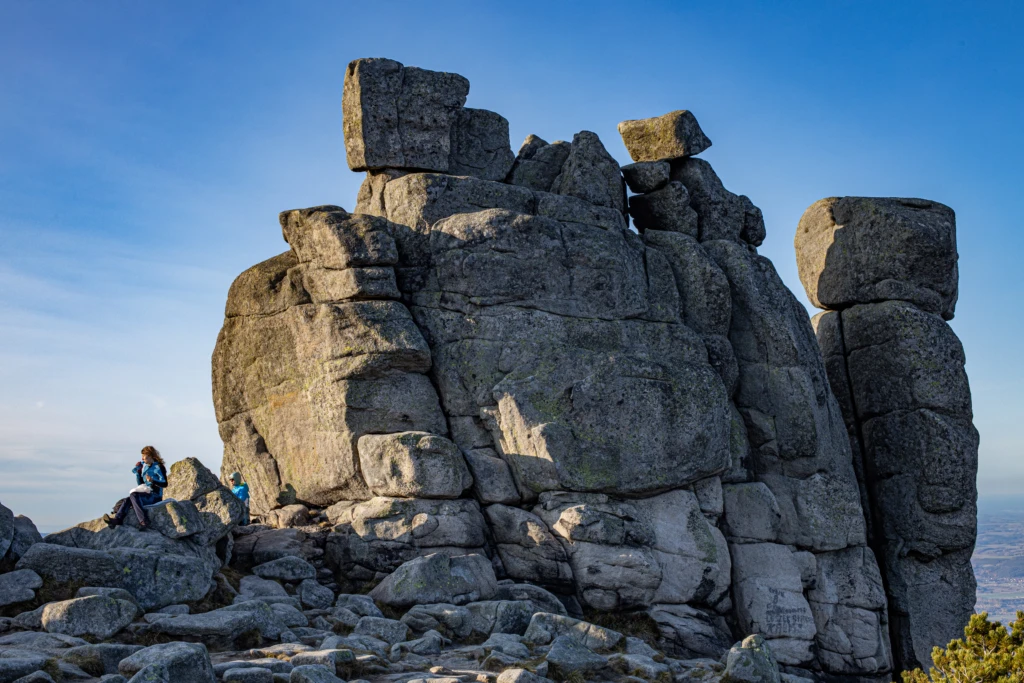
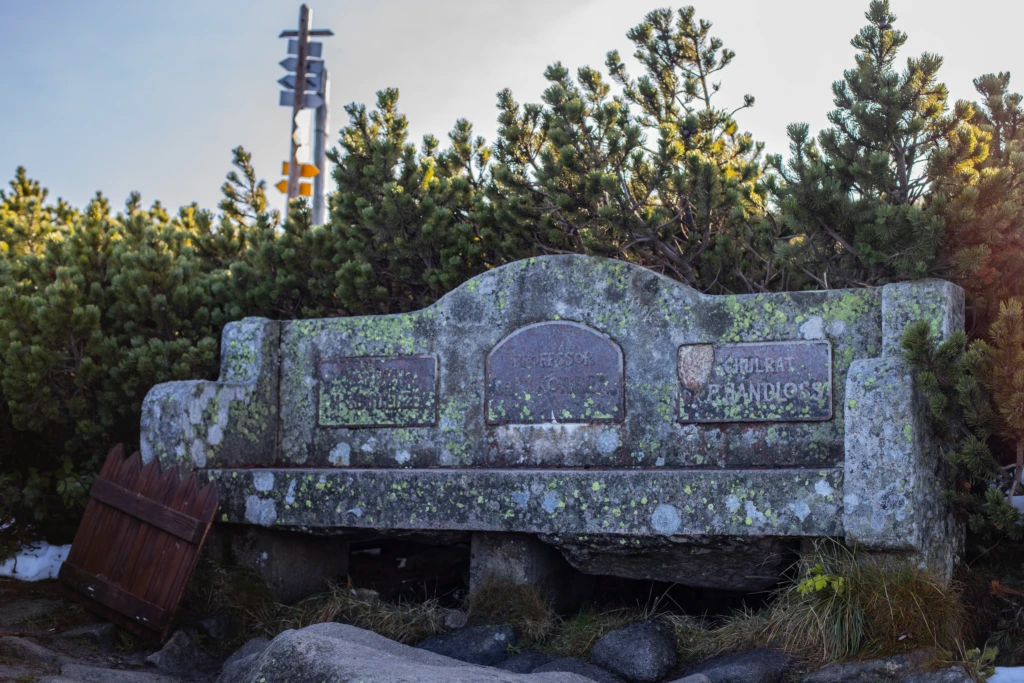
Perhaps that is why I enjoy photographing these mountains so much. Not just the grand panoramas, although they are difficult to resist. The small details, too. The light, the weather, the traces of human presence. The Karkonosze have an extraordinary ability to look completely different just a few hours later. In winter they can seem almost Arctic; in summer, gentle and green; in autumn, a little melancholic. They are not always beautiful in the picture-postcard sense. And that is perfectly fine.
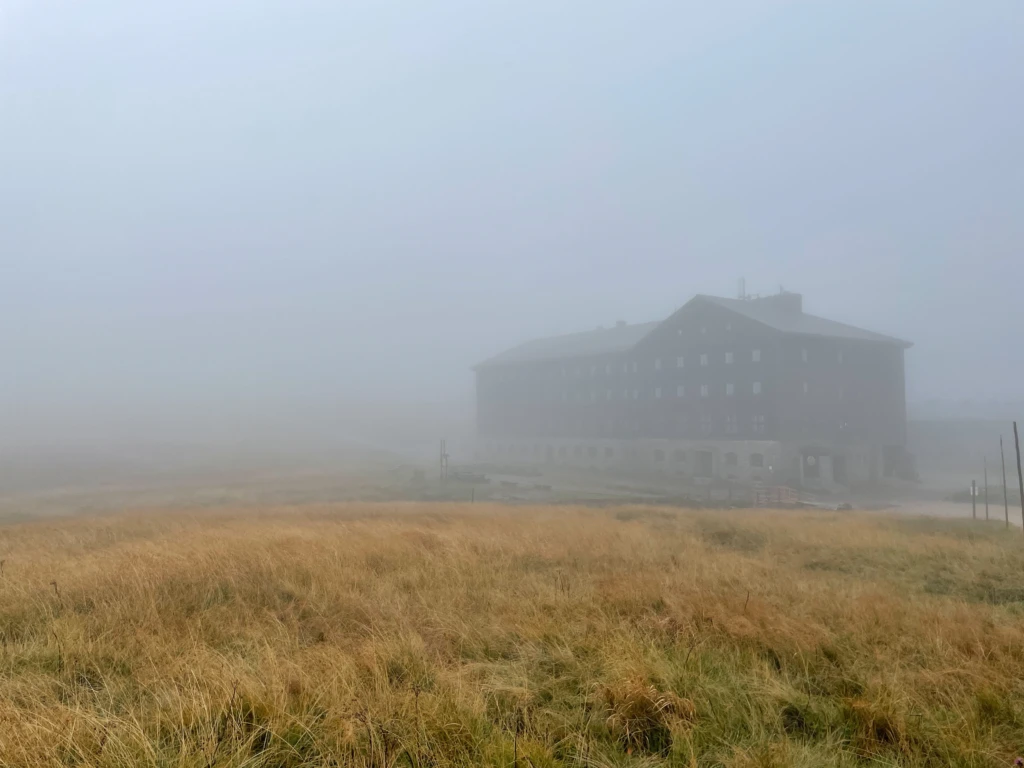
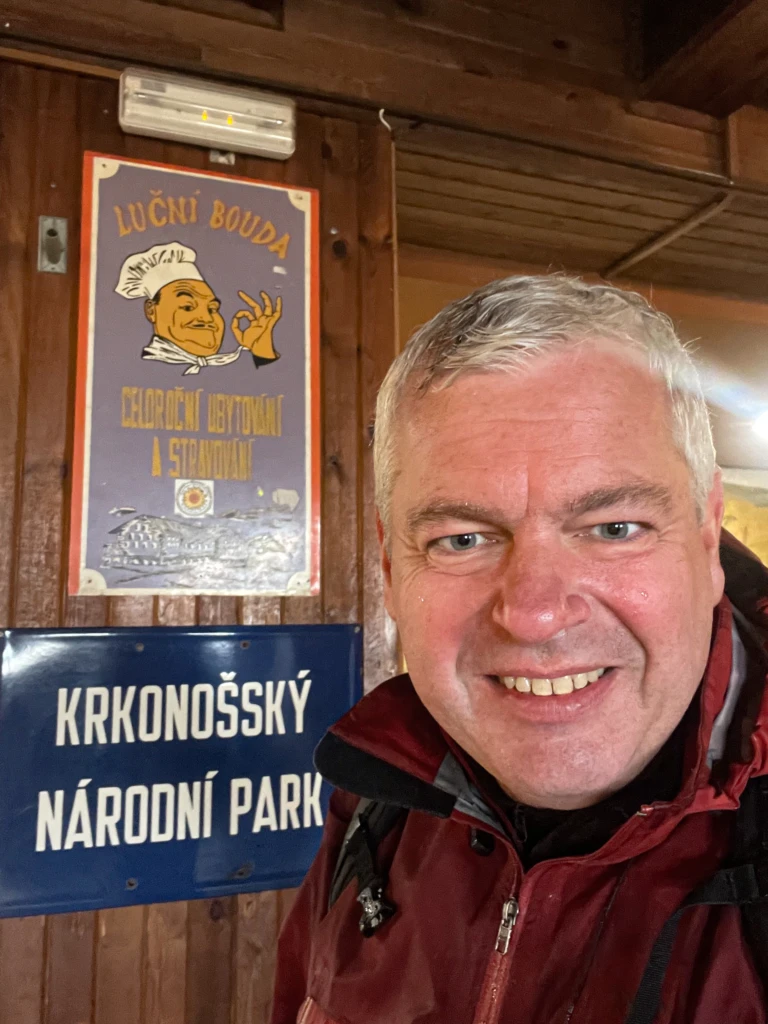
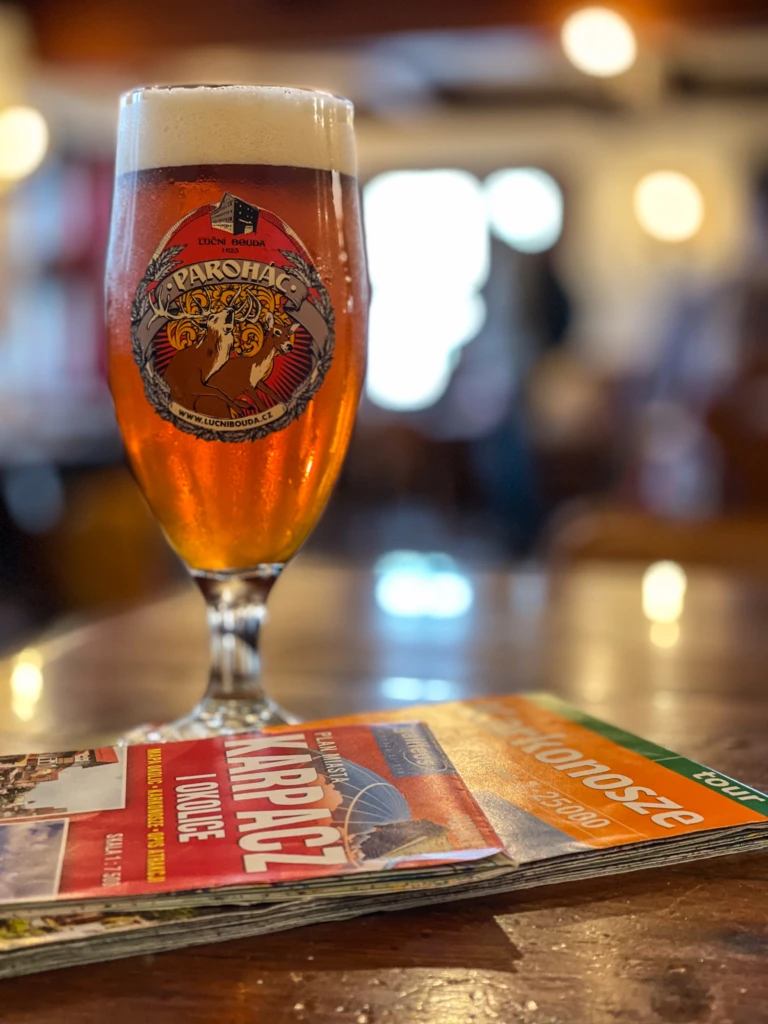
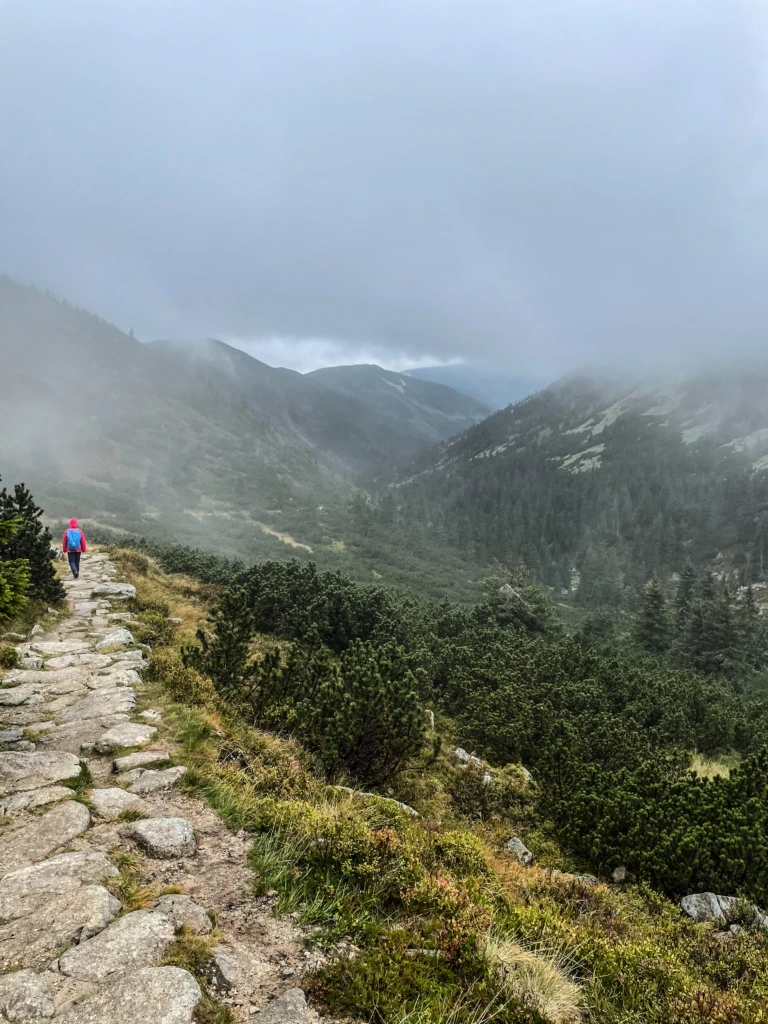
I also have a little habit. On some of my visits, I take a photograph of myself in exactly the same spot where I stood as a high school student. The same stretch of landscape, a similar composition, the same mountain in the background. It is mainly the person in the foreground who changes.
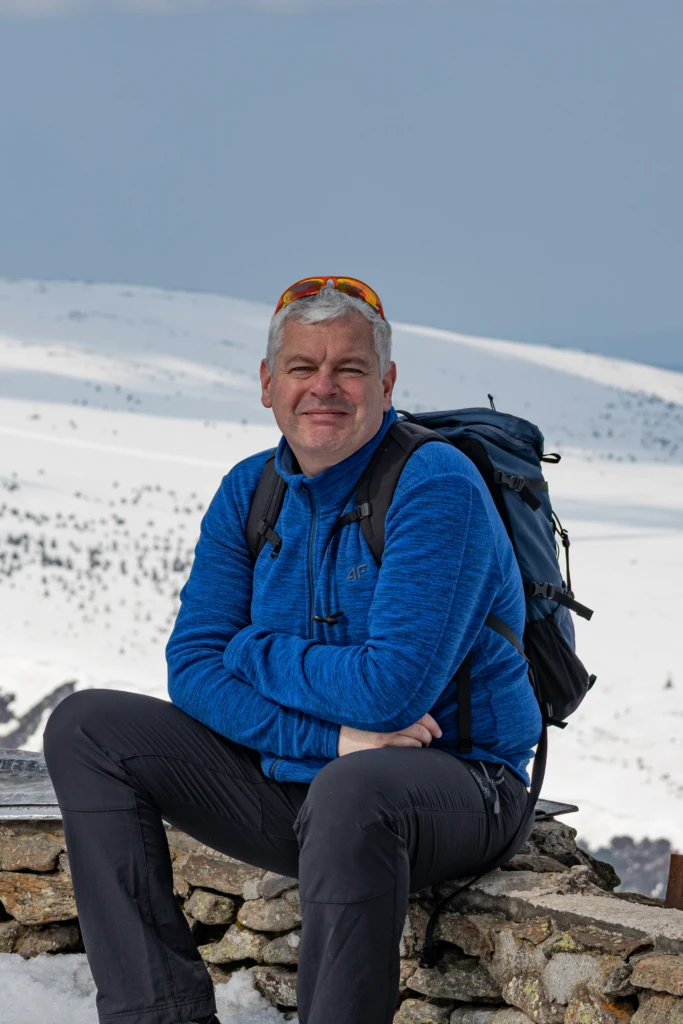
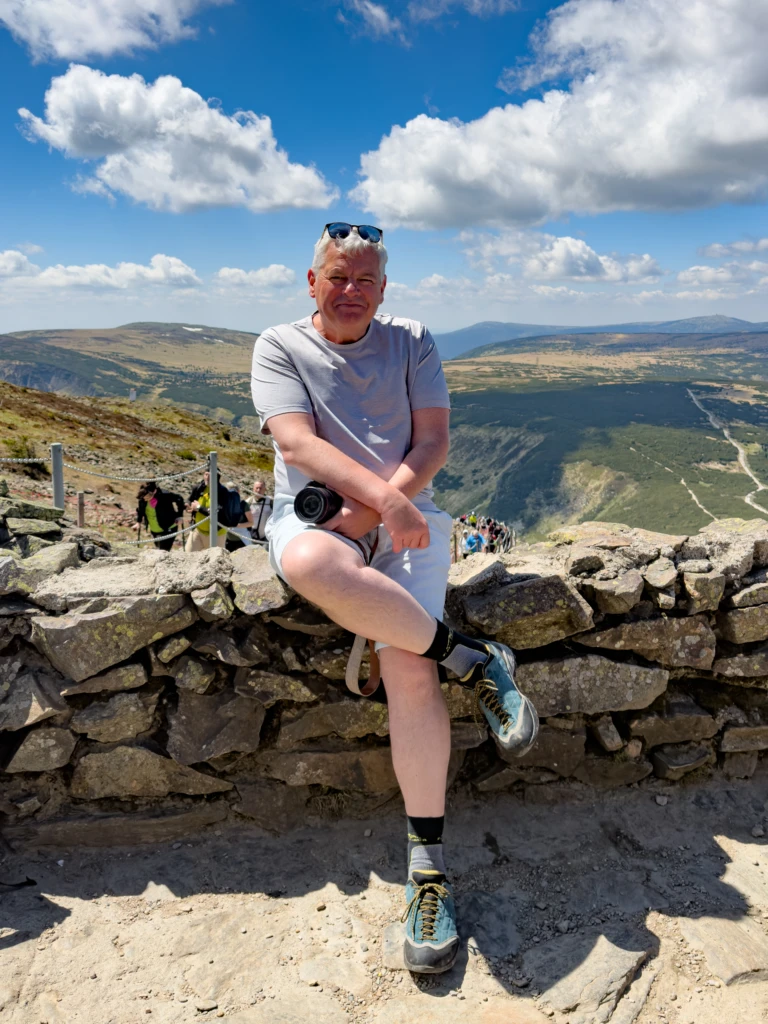
When I put these photographs side by side, it is difficult not to notice the passing of time. And it is not really about the face, the hair, or the extra kilos that have come and gone with varying degrees of success. It is more about everything that happened between one photograph and the next. The people I met. Those who are no longer here. The places I lived. The things that once seemed like the most important matters in the world, and which today I can barely remember caring about.
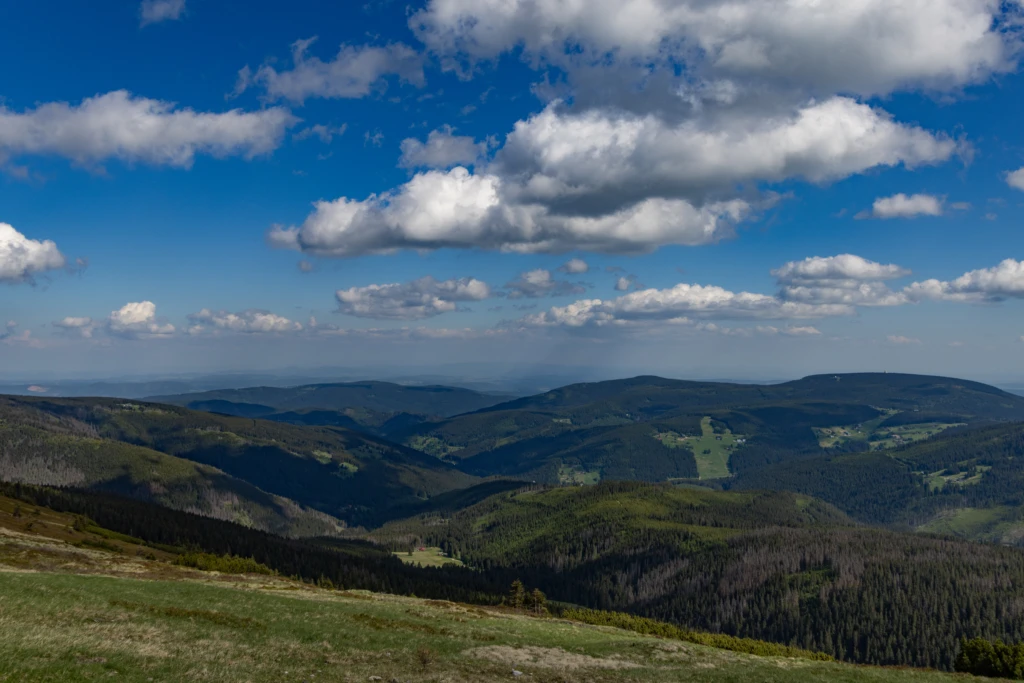
I have climbed Śnieżka many times now. I have never kept an exact count, because I have never thought of these returns as collecting summits. Each visit is a little different. Different weather, different company, a different me.
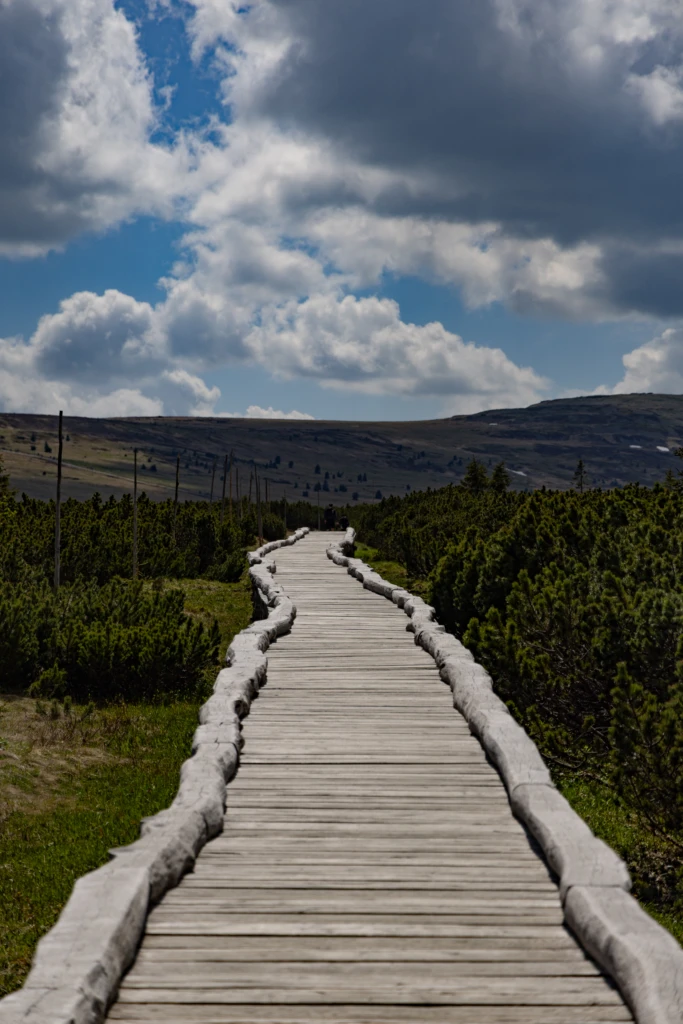
And the mountain?
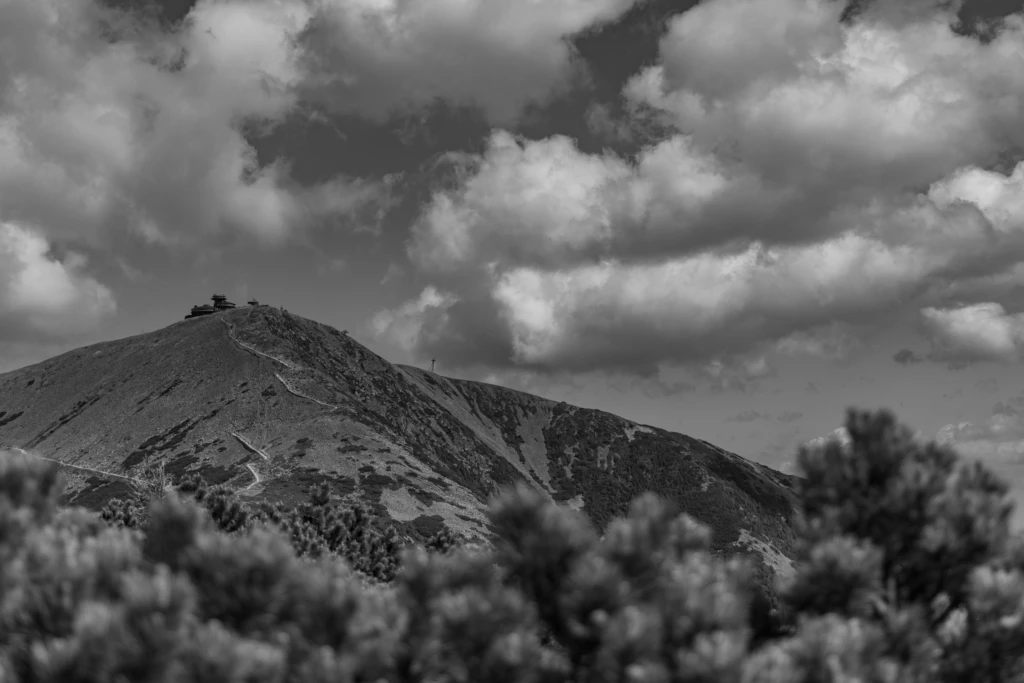
It is still standing exactly where it stood when a fifteen-year-old boy from Łódź first arrived beneath it. And perhaps that is precisely why I keep coming back.